

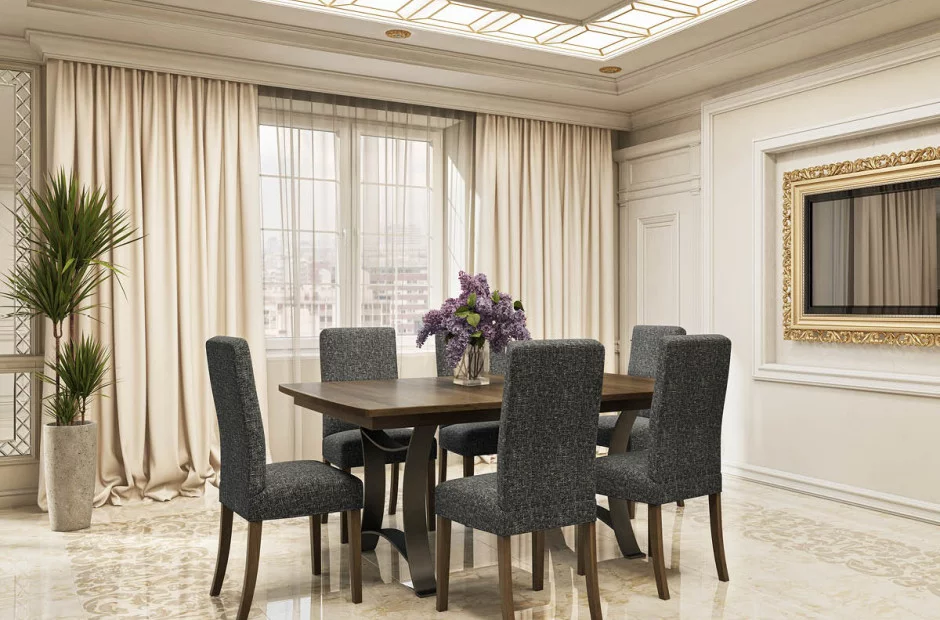
When you bring new furniture into your home, you probably think about how it looks, how well it fits the space, and how long it will hold up. What you may not think about right away is what's in it, and whether those materials are safe for your family and your home's air quality.
So, does Amish furniture feature any chemicals that could hurt your family? Rest assured, true Amish furniture is non-toxic in every sense of the word.
The Toxic Chemical Most Worth Understanding: Formaldehyde
Of all the compounds associated with conventional furniture, formaldehyde is the one that deserves the most attention. It is a volatile organic compound, or VOC, meaning it exists as a gas at room temperature and moves through the air in your home. For this reason, the EPA classifies formaldehyde as a known human carcinogen. Short-term exposure can cause eye, nose, and throat irritation. Long-term exposure at elevated levels is associated with more serious respiratory and health effects.
Formaldehyde found in engineered wood
Some furniture companies use formaldehyde primarily through the adhesive resins used to manufacture engineered wood products. Particleboard, medium-density fiberboard, and some plywood products are made by binding wood fibers or chips together with urea-formaldehyde resin.
This is not a fringe concern or a feature of poorly made furniture only. It is built into the manufacturing process of most mass-market furniture because engineered wood panels are inexpensive, dimensionally stable, and easy to machine at scale.
Toxicity found in furniture finishes
Solvent-based finishes add another layer of VOC exposure. Many conventional furniture finishes contain compounds including toluene, xylene, and acetone, which evaporate at room temperature and circulate through your living space. Manufacturers use these finishes because they cure quickly under factory conditions, letting a piece get packaged and shipped within hours of leaving the finishing line. Speed and cost take priority, and the air quality in your home bears the consequence.
Harmful flame retardants
Flame retardant chemicals applied to foam cushioning represent a third category. Federal flammability standards pushed manufacturers toward treating foam with compounds including those from the PBDE family, linked to thyroid disruption and developmental concerns.
Some of these have been phased out, but their replacements are not universally accepted as being “safe.”
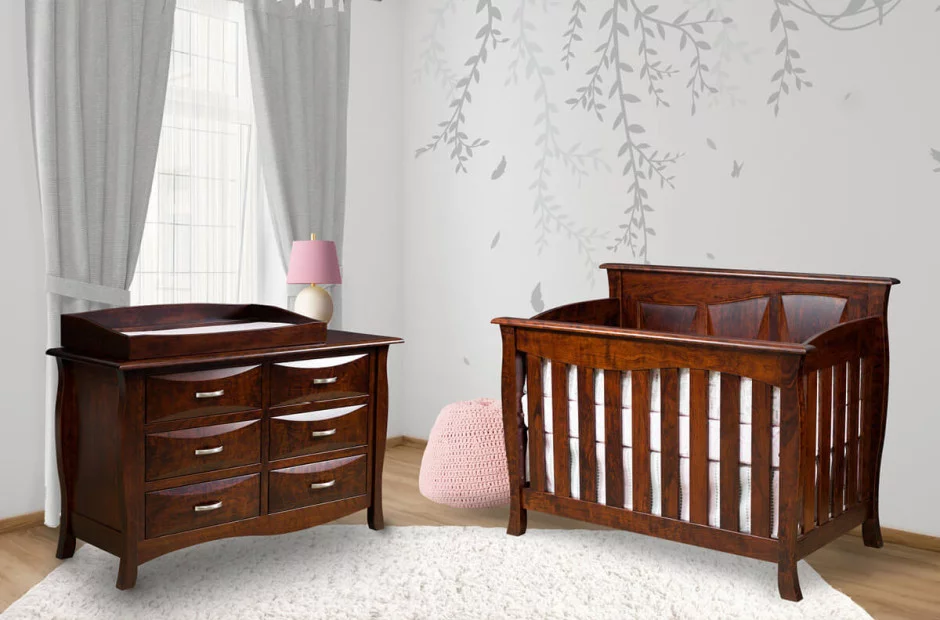
Other Ways Amish Furniture Supports a Healthier Home and Environment
Non-toxic materials are only one way Amish furniture benefits your home’s health and the overall environment.
-
Hardwood from responsibly managed forests. Responsible sourcing matters alongside the material itself. Hardwood from forests managed for long-term sustainability supports healthy ecosystems rather than depleting them. Many Amish shops source regionally, which keeps transport distances short and supports local timber economies.
-
Localized supply chains mean a smaller carbon footprint. Amish furniture shops are largely community-based operations that source materials regionally and build within the same area where those materials are harvested and milled. Comparatively, mass-market furniture production often has their raw materials, components, and finished goods cross multiple continents before reaching a customer's home. Shorter supply chains mean less fuel burned in transport, fewer emissions generated per piece, and a tighter connection between the forest, the shop, and the final furniture.
-
Durability keeps furniture out of landfills. A well-built solid hardwood piece can last for generations. It can be refinished when the surface shows wear, repaired when a joint loosens, and passed on rather than discarded. The furniture you don't throw away is the furniture that doesn't end up in a landfill.
-
No unnecessary synthetic additives. Amish furniture is not treated with PFAS-based stain resistance coatings or chemical flame retardants as a standard part of the build. When you choose solid wood with natural fiber upholstery options, you sidestep several categories of chemical exposure that come standard with mass-market upholstered pieces.
Learn about sustainable, ethical furniture
Featured
See Our Amish Furniture

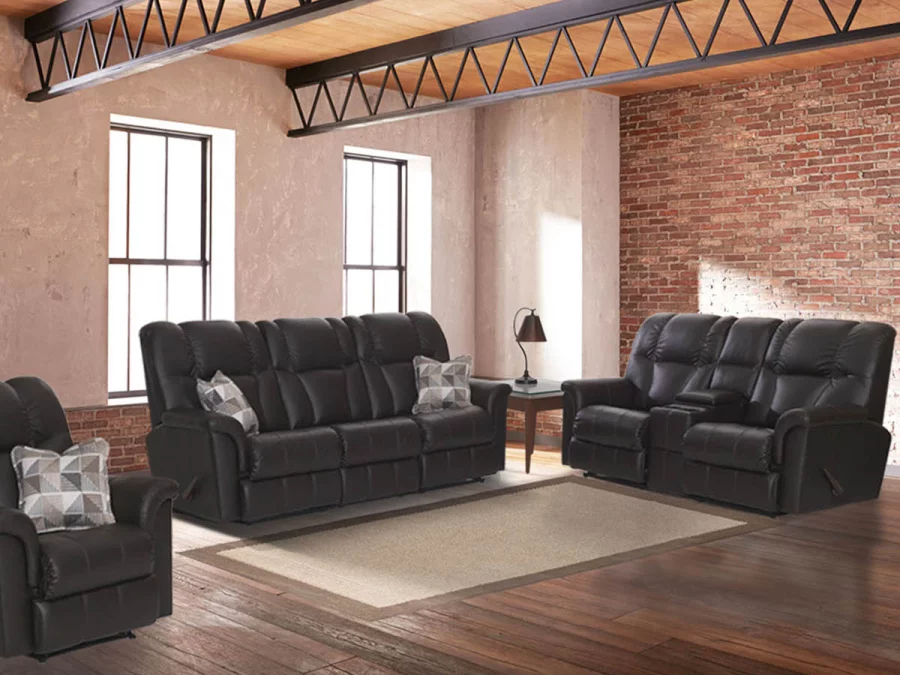
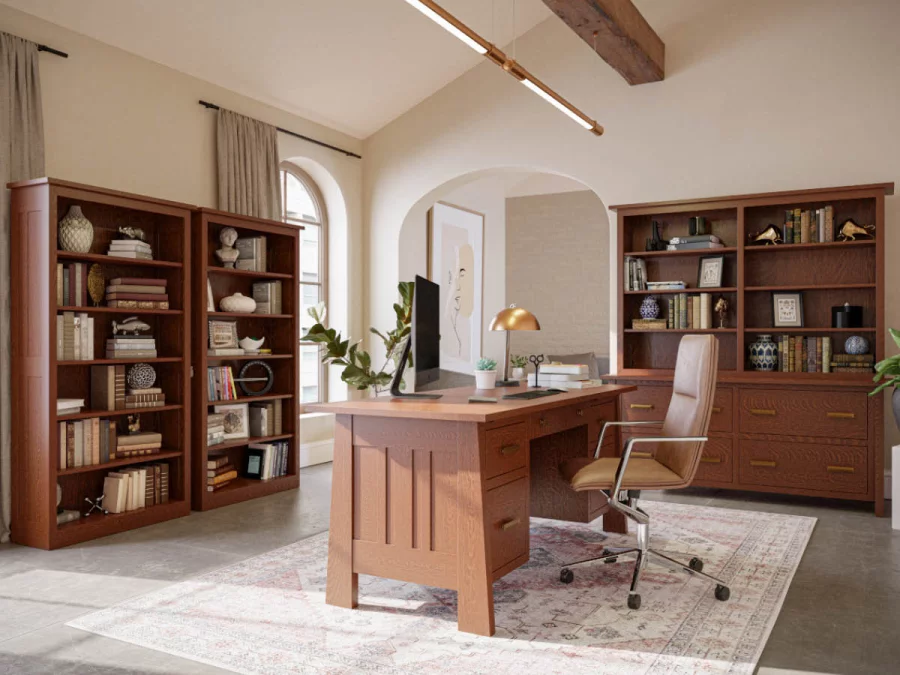
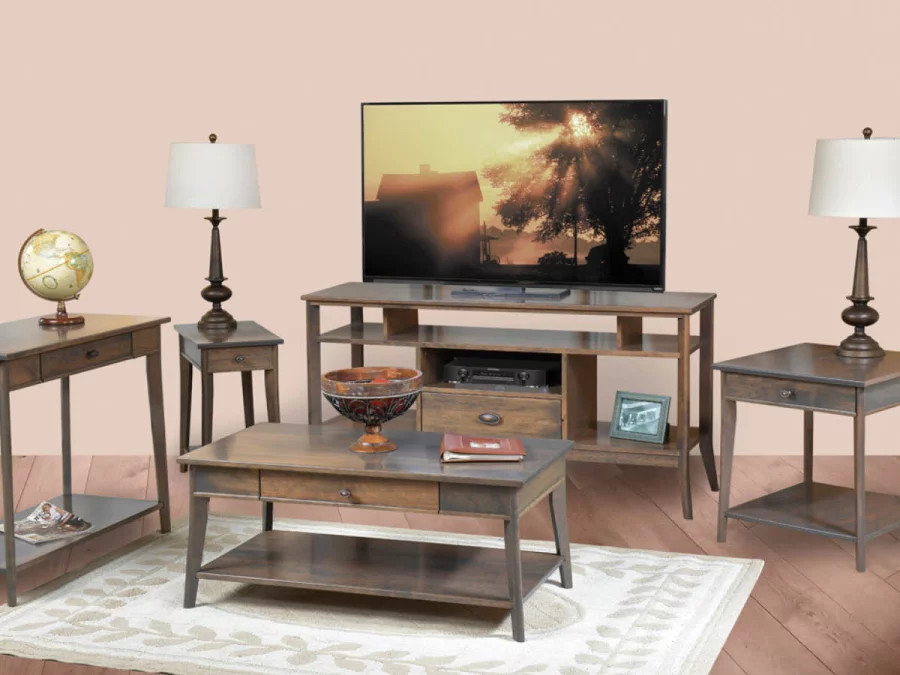
How Countryside Amish Furniture Approaches Furniture
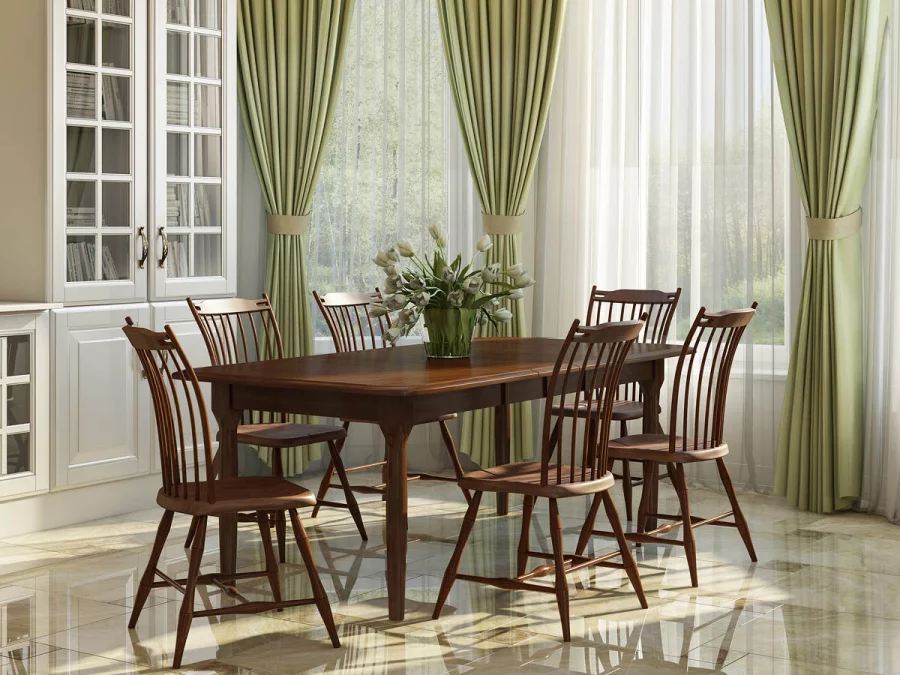
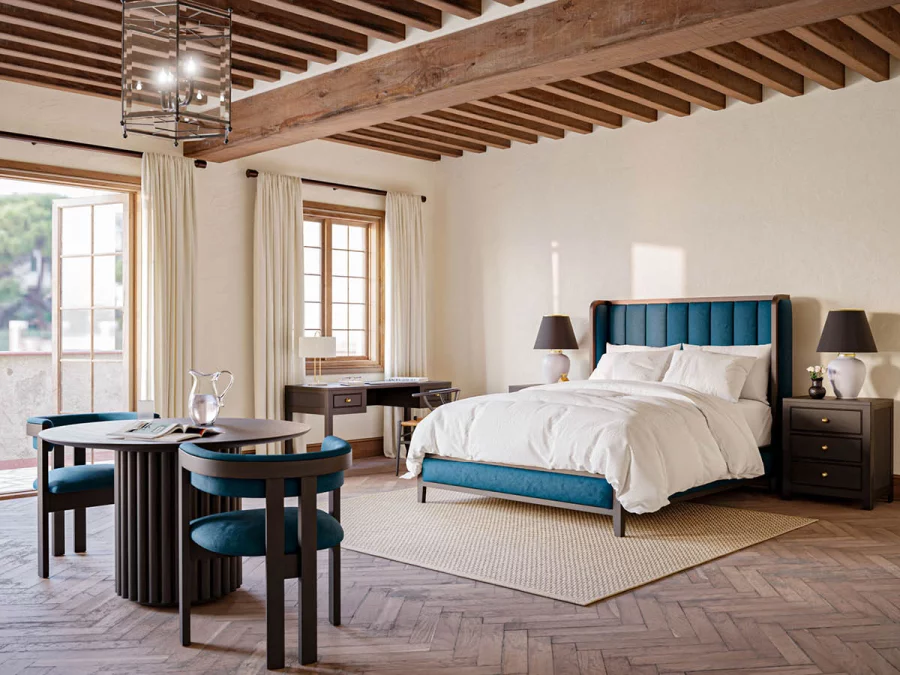
At Countryside Amish Furniture, every piece is built to order by real Amish woodworkers using solid North American hardwoods. The commitment to non-toxic, honest construction runs through every stage of the build, from the wood selected at the start to the finish applied at the end.
Typical build and delivery time is 14 to 18 weeks. Delivery is a flat $150 for inside placement and setup anywhere in the contiguous United States. If you have questions about materials, finishes, or how a specific piece is built, reach out through live chat or by phone. We would rather answer the question fully than leave you guessing about what you're bringing into your home.